UK businesses are increasingly considering electric van leasing UK as a way to reduce their environmental impact. With the growing demand for eco-friendly vehicles, the availability of electric vans is also on the rise.
By understanding the benefits, range, and running costs of electric vans, businesses can make informed decisions about their vehicle needs. This guide provides an overview of the key considerations for businesses looking to lease an electric van.
Key takeaways
- Electric vans offer lower running costs and environmental benefits for UK businesses.
- Electric vans have a range of up to 300 miles on a single charge.
- Electric vans have lower running costs compared to traditional vans.
- Businesses can claim capital allowances on electric vans.
Benefits of Electric Vans
Electric vans offer several benefits for UK businesses, including lower running costs. With significantly reduced fuel costs, electric vans can help businesses save money on their fleet expenses. Additionally, electric vans provide environmental benefits, producing zero tailpipe emissions and reducing the business's carbon footprint.
From a tax perspective, electric vans can also provide VAT benefits for businesses, as they are considered commercial vehicles for VAT purposes if they have a payload of one tonne or more. Furthermore, businesses can claim capital allowances on electric vans, and can find more information on VAT guidance from the government website.
Electric Van Range and Charging
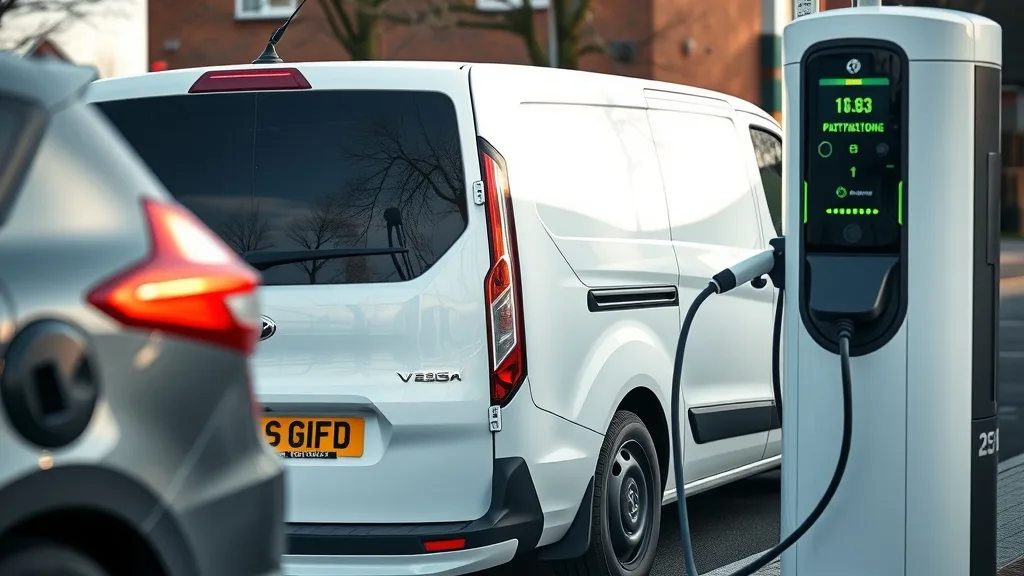
Electric vans have made significant progress in recent years, with many models now offering a range of up to 300 miles on a single charge. Charging times vary depending on the model and charging method, but most electric vans can be charged to 80% in under an hour using a rapid charger. For businesses looking to lease an electric van, it's essential to consider the range and charging options available, which can be explored in more detail by viewing our Electric van deals.
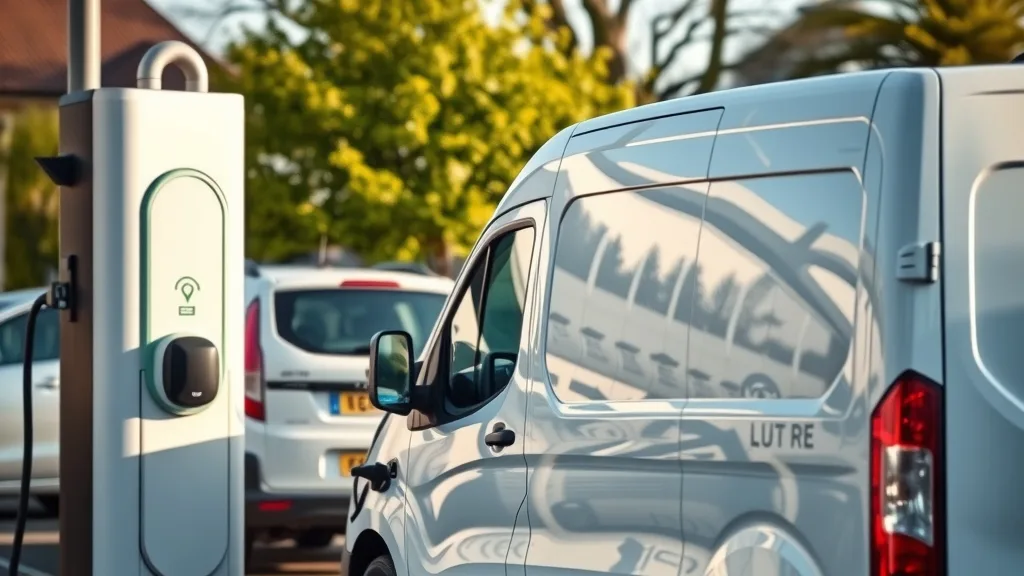
Charging options for electric vans include slow charging, which is suitable for overnight charging, and fast charging, which can top up the battery quickly. Rapid charging, which can charge the battery to 80% in under 30 minutes, is also available at many public charging points. Range anxiety, the fear of running out of charge before reaching a charging point, is a common concern for businesses considering electric van leasing. However, with the increasing availability of public charging points and the improving range of electric vans, this concern is becoming less significant.

Running Costs of Electric Vans
When comparing the running costs of electric vans to traditional vans, several factors come into play, including fuel, maintenance, and tax costs. Electric vans have significantly lower fuel costs, as they are powered by electricity rather than diesel or petrol. You can learn more about the overall Van leasing costs and how they are calculated.
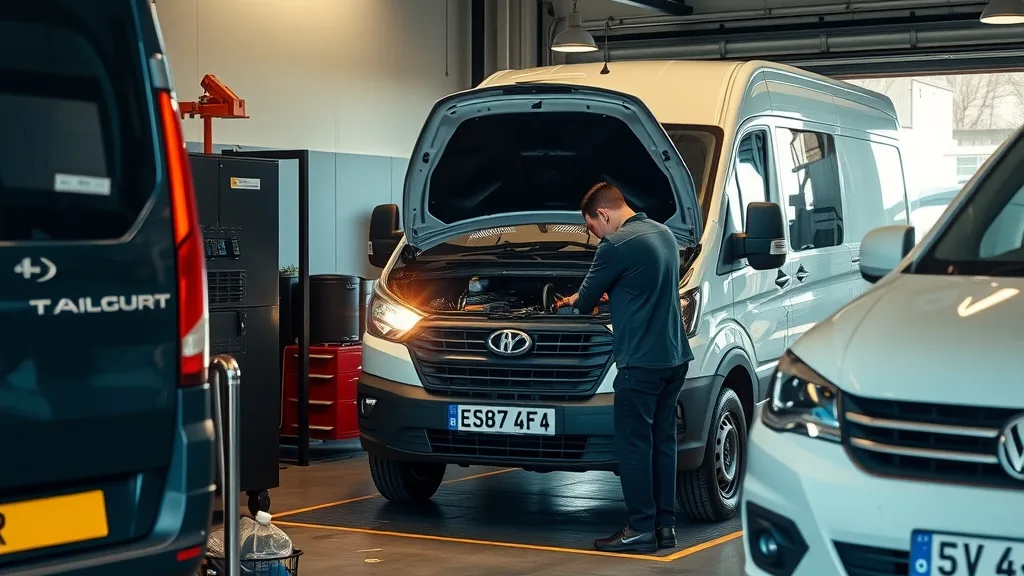
Maintenance costs for electric vans are also generally lower, as they have fewer moving parts and do not require oil changes. Additionally, electric vans are eligible for Capital allowances, which can help reduce tax liabilities. Tax costs, such as VAT and benefit-in-kind tax, may also be lower for electric vans, depending on the specific circumstances of the business.
Leasing Options for Electric Vans
Businesses in the UK have several leasing options for electric vans, including contract hire and finance lease. Contract hire is a popular choice, as it allows businesses to lease a van for a set period of time, typically between 2-4 years, and then return it to the leasing provider at the end of the contract. This option provides flexibility and can help businesses avoid the upfront costs associated with purchasing a van outright.
Finance lease is another option, which allows businesses to lease a van for a longer period of time, typically up to 5 years. At the end of the contract, the business can choose to return the van, extend the lease, or purchase the van outright. To explore the available Van leasing deals, businesses can visit leasing provider websites or contact them directly to discuss their options.

Practical Considerations for Electric Van Leasing
When considering electric van leasing, businesses should think about the practical aspects of owning and operating an electric vehicle. One key consideration is the charging infrastructure, as businesses will need to ensure they have access to suitable charging points for their vehicles.
Range anxiety is another important factor, as businesses will need to consider the distance their vehicles will be traveling and whether they can be charged sufficiently to complete their journeys. To help with this, we recommend creating a checklist for businesses considering leasing an electric van, which should include factors such as charging infrastructure, range anxiety, and the total cost of ownership.
For businesses that are ready to take the next step, we recommend getting a quote to find the best electric van leasing option for their needs. By carefully considering these practical factors, businesses can ensure a smooth and successful transition to electric van leasing.
Is Electric Van Leasing Right for Your Business?
Electric van leasing offers numerous benefits for UK businesses, including lower running costs, environmental benefits, and tax advantages. By considering the range, charging options, and running costs of electric vans, businesses can make informed decisions about their vehicle needs.
With the increasing availability of electric vans and improving charging infrastructure, electric van leasing is becoming a viable option for many businesses. Whether you're looking to reduce your environmental impact or save on fuel costs, electric van leasing is definitely worth considering.
Browse our electric van leasing deals, or call 01509 270132 for a personalised quote. You can view our electric van leasing options to find the best fit for your business needs.
Frequently asked questions
What are the benefits of electric vans for UK businesses?
Electric vans offer several benefits for UK businesses, including lower running costs, environmental benefits, and tax advantages.
How far can electric vans travel on a single charge?
Electric vans can travel up to 300 miles on a single charge, depending on the model and charging method.
What are the running costs of electric vans compared to traditional vans?
Electric vans have significantly lower fuel costs and maintenance costs compared to traditional vans, making them a cost-effective option for businesses.
Can I claim capital allowances on electric vans?
Yes, businesses can claim capital allowances on electric vans, which can help reduce tax liabilities.
What leasing options are available for electric vans?
Businesses have several leasing options for electric vans, including contract hire and finance lease, which can provide flexibility and help avoid upfront costs.