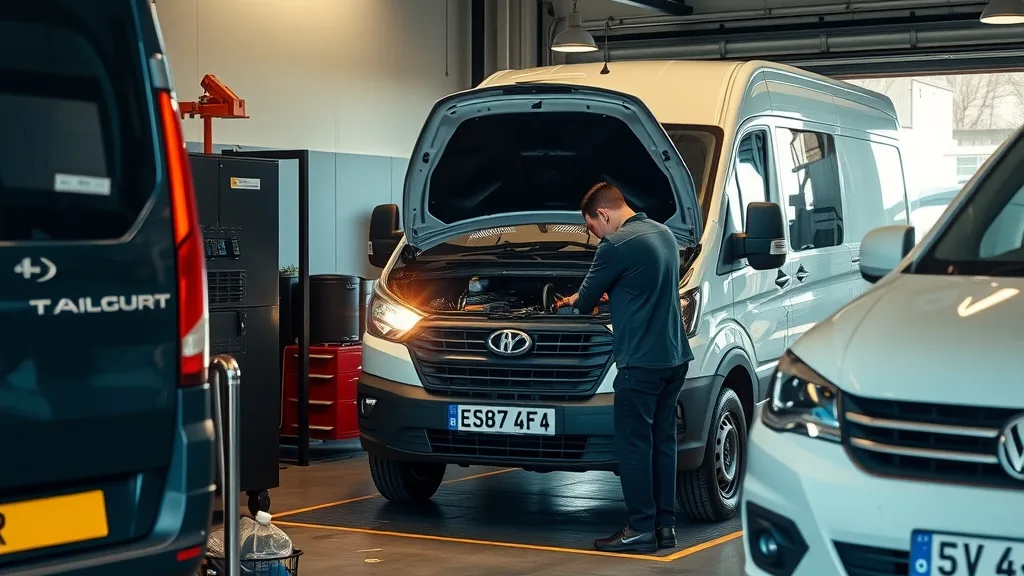

If you've been comparing ways to get a new van on the road, you've probably run into the same handful of terms: van leasing, contract hire, finance lease, hire purchase, often used interchangeably even though they work quite differently. This guide breaks down how van leasing actually works, what shapes the monthly cost, and how to tell the main options apart so you can choose the right one for your situation.
What is van leasing?
Van leasing is essentially long-term renting. Instead of buying a van outright or taking out a loan to own it, you pay a fixed monthly amount to use the vehicle for an agreed period, typically two to four years and hand it back at the end. You never own the van, which is the trade-off for lower monthly payments and no large depreciation risk sitting on your balance sheet.
This makes van leasing popular with two very different groups: businesses that want predictable monthly costs and a van that's always relatively new, and sole traders or personal users who'd rather not tie up capital in a depreciating asset.
How van lease payments are worked out
Your monthly payment is based on three main factors:
- The van's on-the-road price - a Ford Transit Custom will cost more to lease than a VW Caddy, simply because it's a more expensive vehicle to begin with.
- The contract length and annual mileage - a shorter contract or higher mileage allowance pushes the monthly payment up, because the van depreciates faster.
- The van's expected value at the end of the contract (residual value) - vans that hold their value well tend to lease more cheaply than ones that depreciate fast, because the leasing company is pricing in a smaller gap between what the van cost and what it's worth when it comes back.
On top of that baseline, you'll typically see an initial rental often quoted as a multiple of the monthly payment (for example, "3+35" means three months upfront, then 35 further monthly payments) plus VAT, which businesses registered for VAT can usually reclaim a portion of.
Van lease vs contract hire: are they the same thing?
In everyday use, "van leasing" and "van contract hire" mean the same thing, and most UK leasing companies use the terms interchangeably. Technically, contract hire is a specific type of lease where you never have the option to buy the van; you simply hand it back at the end. It's the most common form of van leasing for both businesses and individuals, largely because it's the simplest: fixed payments, no balloon payment, no ownership decision to make later.
Finance lease and hire purchase: the other options
Two other routes are worth knowing about, even if they're less common for everyday van leasing:
- Finance lease - similar to contract hire, but at the end of the agreement you can usually sell the van on behalf of the finance company and keep a share of the proceeds, rather than simply returning it. This suits businesses that want some of the benefits of ownership without the upfront cost.
- Hire purchase - not technically leasing at all. You pay a deposit plus monthly instalments, and once the final payment is made, you own the van outright. Monthly payments tend to be higher than leasing because you're paying off the full value of the vehicle, not just the depreciation over the contract.
Choosing between these usually comes down to one question: do you want to own the van eventually, or would you rather keep costs low and drive something newer more often? If ownership matters to you, hire purchase or a finance lease is worth comparing against contract hire before you commit.
What's included in a van lease and what isn't
A standard van lease typically includes:
- Road tax (Vehicle Excise Duty) for the contract term
- A manufacturer's warranty
- Delivery of the vehicle
It typically does not include, unless specifically added to your package:
- Vehicle insurance
- Servicing and maintenance
- Tyres
- Breakdown cover beyond the manufacturer warranty
Some leasing providers offer maintenance-inclusive packages that bundle servicing into the monthly cost for a single predictable payment, worth asking about if you'd rather not manage a separate maintenance budget.
Mileage allowances and excess mileage charges
Every lease comes with an annual mileage limit, agreed when you sign. Go over it, and you'll pay an excess mileage charge per mile at the end of the contract, so it's worth estimating your actual annual mileage honestly rather than guessing low to get a cheaper headline monthly price. Underestimating is one of the most common (and avoidable) ways lease customers end up with an unexpectedly large bill at handback.
Business vs personal van leasing
Business van leasing is generally more straightforward to arrange than personal leasing, and VAT-registered businesses can typically reclaim a proportion of the VAT on their lease payments, a meaningful saving that doesn't apply to buying a van outright. HMRC's guidance on VAT and motoring expenses covers what can and can't be reclaimed.
If a van is used privately as well as for business (for example, taken home each night), there may be a Benefit in Kind tax charge to consider gov.uk explains how company van tax works here. This is specialist tax territory, so if your situation isn't straightforward, it's worth checking with an accountant before you sign anything.
A few questions worth asking before you lease
- What exactly is included in the monthly price: insurance, maintenance, both, or neither?
- What's the mileage allowance, and does it realistically match how you'll use the van?
- Is there an initial rental, and how much is it?
- What condition does the van need to be returned in, and what counts as "fair wear and tear"?
- Is the leasing company a member of the British Vehicle Rental and Leasing Association (BVRLA), the UK's trade body for the leasing industry? BVRLA membership means the provider follows an agreed code of conduct, which is a useful baseline of reassurance when comparing providers.
The bottom line
Van leasing suits anyone who wants a predictable monthly cost and a newer vehicle without the commitment of ownership. The right choice between contract hire, finance lease and hire purchase depends mostly on whether owning the van at the end matters to you, and how confident you are in your expected mileage. Once you know those two things, comparing quotes becomes a much simpler exercise.
Looking for a van lease deal? Get a quote and our team will talk you through the options that fit how you actually use the van.