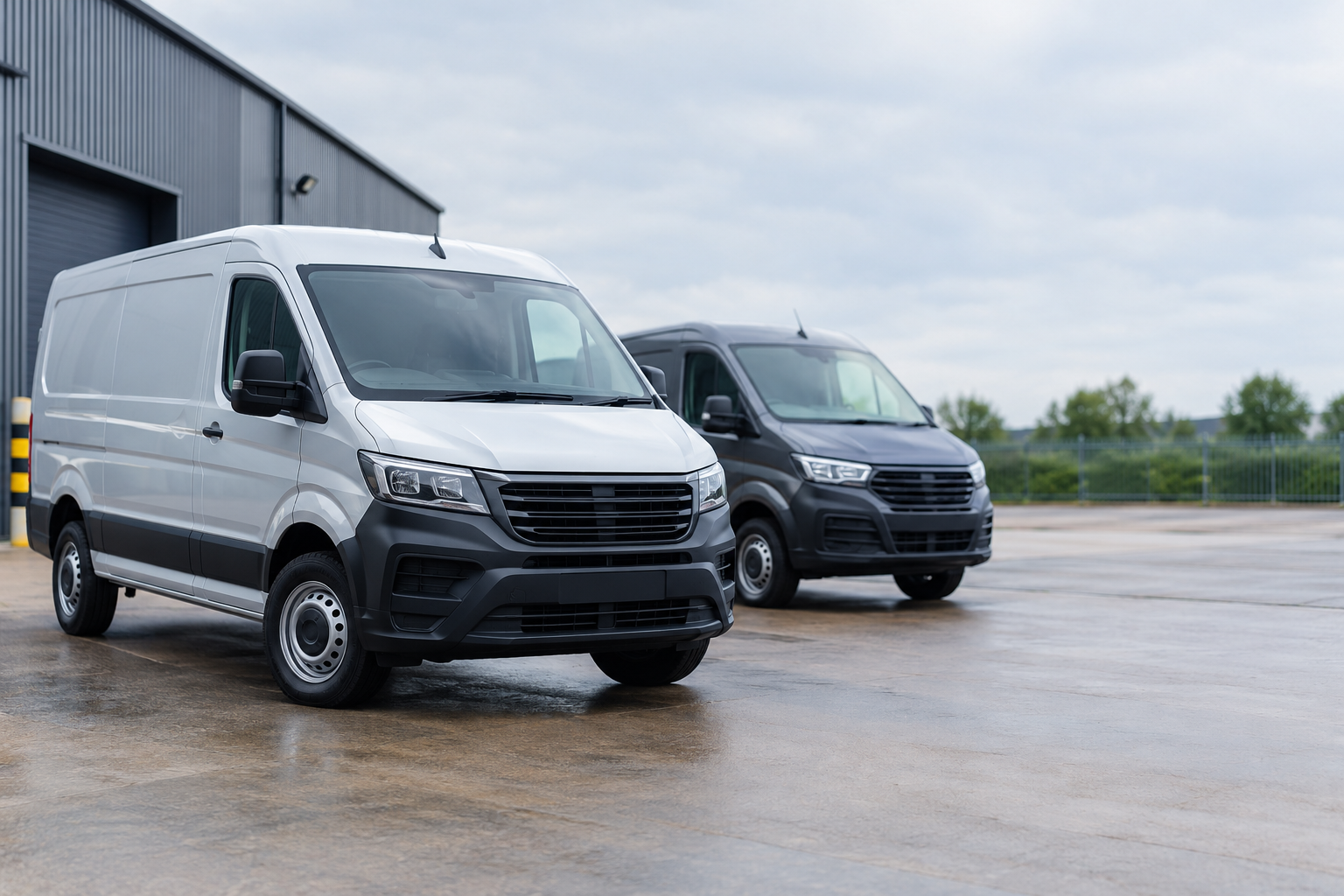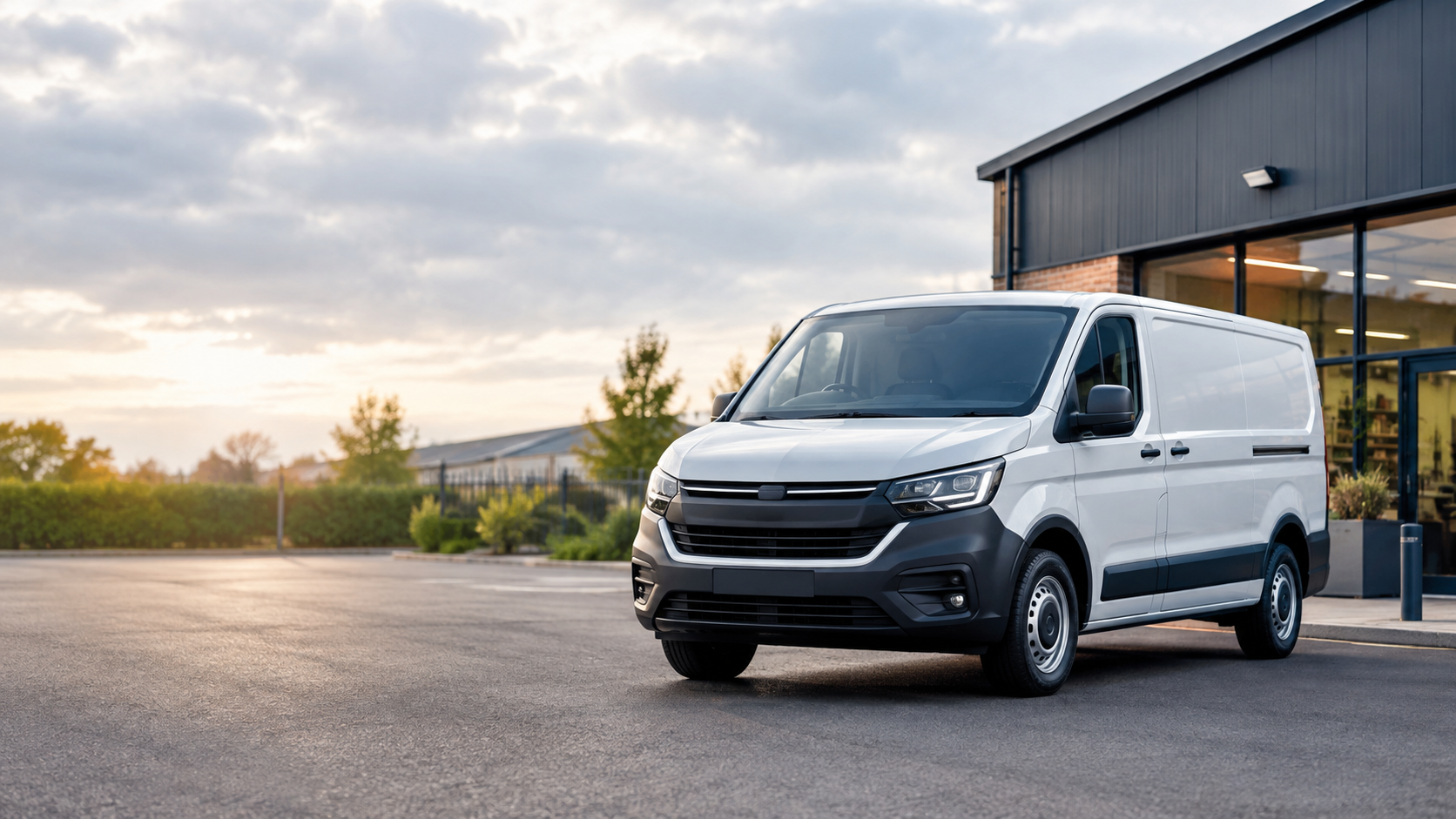

Whether you’re a sole trader replacing a single van or a fleet manager planning for twenty, leasing has become the default way UK businesses put vans on the road. It keeps cash in the business, makes monthly costs predictable, and avoids the admin of owning and eventually selling a depreciating asset. This guide walks through how business van leasing actually works, what’s different from leasing as an individual, and what to check before signing an agreement.
Why businesses lease rather than buy
Buying a van outright ties up capital that could otherwise go toward stock, staff, or growth, and vans lose value quickly in the first few years, so that capital doesn’t sit still, it shrinks. Leasing avoids both problems: a fixed monthly payment instead of a large upfront cost, and a return of the vehicle at the end rather than a depreciation loss to absorb. For many businesses, it’s simply a better use of cash than ownership, especially when the van is a tool for the job rather than a long-term asset they want to hold.
There’s also a tax advantage that doesn’t apply to buying: VAT-registered businesses can typically reclaim a proportion of the VAT on lease payments, and lease rentals are usually an allowable business expense that reduces taxable profit. HMRC’s guidance on VAT and motoring expenses sets out exactly what can be reclaimed; the rules differ depending on whether the van is used solely for business or has some private use too.
How business van leasing differs from personal leasing
The mechanics are the same: a fixed monthly payment, a set contract term, an agreed mileage allowance, but a few things change when the agreement is in a company’s name rather than an individual’s:
- VAT treatment. Businesses can usually reclaim VAT on lease payments in a way personal leasing customers cannot.
- Credit assessment. Lenders look at the company’s trading history and credit profile rather than (or sometimes alongside) a director’s personal credit, particularly for newer businesses.
- Benefit in Kind tax. If an employee or director uses the van privately, taking it home overnight, for example, there may be a Benefit in Kind charge to account for. GOV.UK’s guidance on company vans explains how this is calculated and what counts as exempt private use (such as ordinary commuting).
- Fleet discounts. Leasing multiple vans, even just two or three, can sometimes unlock better rates than a single-van personal agreement, since providers price in the ongoing relationship.
What’s typically included in a business lease
A standard business van lease includes road tax and a manufacturer’s warranty for the contract term. Beyond that, most providers offer a choice:
- Non-maintained lease: you handle servicing, tyres and repairs yourself, usually at a lower monthly cost.
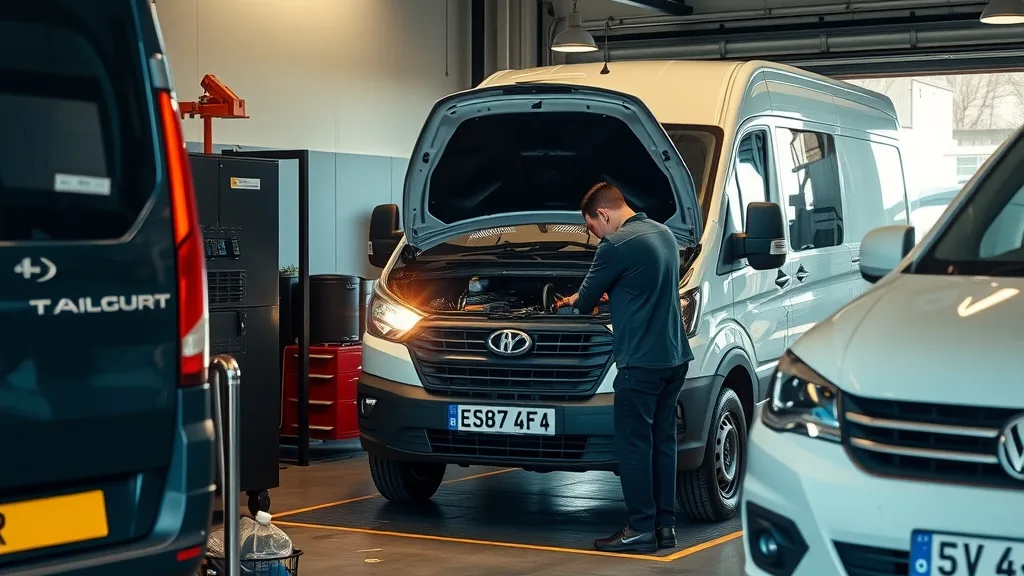
- Maintained lease: servicing, maintenance and sometimes tyres are bundled into the monthly payment, giving a single predictable cost that’s easier to budget for across a fleet.
For businesses running several vans, a maintained lease often makes sense simply for the admin saved: one invoice instead of tracking separate servicing schedules and bills across every vehicle.
New business vs established business: does it matter?
It can. Leasing companies assess risk partly on trading history, so a business with only a few months of accounts may face:
- A request for a personal guarantee from a director
- A larger initial rental
- A shorter list of providers willing to offer terms
This isn’t a reason to avoid leasing; most providers do lease to newer businesses, but it’s worth being upfront about trading history when getting quotes, rather than finding out partway through an application that terms will be different than expected.
Sole traders: a slightly different picture
Sole traders sit in a slightly different position from limited companies, because there’s no legal separation between the business and the individual. In practice, this usually means the lease is assessed more like a personal credit application, even though the van is used for business and lease costs can still be claimed as a business expense against income. If you’re a sole trader comparing business leasing to personal leasing, the running costs are often similar; the main difference tends to be how you account for the expense, which is worth a quick conversation with an accountant if you’re unsure.
Mileage and contract length for business use
Business vans often rack up higher mileage than personal vehicles, so it’s worth being realistic rather than optimistic when setting the annual mileage allowance. Underestimating to get a lower headline monthly price is one of the most common ways businesses end up with a large excess mileage bill at the end of the contract. It’s cheaper in the long run to pay a slightly higher monthly rate that matches your actual usage than to guess low.
Contract length matters too: a three-year lease suits a business that wants to upgrade vehicles regularly (useful if reliability and warranty cover matter to how the business runs), while a four- or five-year term can lower the monthly cost further for businesses that would rather keep the same van longer and don’t need to refresh the fleet often.
Checklist before signing a business lease
- Is the quote maintained or non-maintained, and does that match how you want to budget?
- What’s the mileage allowance across the whole fleet, not just per vehicle, if you’re leasing more than one van?
- Will the business need a personal guarantee, and who’s expected to provide it?
- Is the provider a member of the British Vehicle Rental and Leasing Association (BVRLA), the UK’s trade body covering fair terms and customer treatment across the leasing industry?
- Does the agreement match how the van will actually be used including any private use that could trigger a Benefit in Kind charge?
The bottom line
Business van leasing works well for most UK companies because it keeps cash free, makes costs predictable, and comes with tax advantages that buying doesn’t offer. The details that matter most are getting the mileage allowance right, understanding whether you need a maintained package, and being clear about any private use of the vehicle from a tax perspective. Get those right, and comparing quotes from there is straightforward.
Running a business and need vans on the road? Get a quote and we’ll talk through fleet size, mileage and maintenance options to find the right fit.